
How to Prepare Your Dog for a Studio Portrait Session
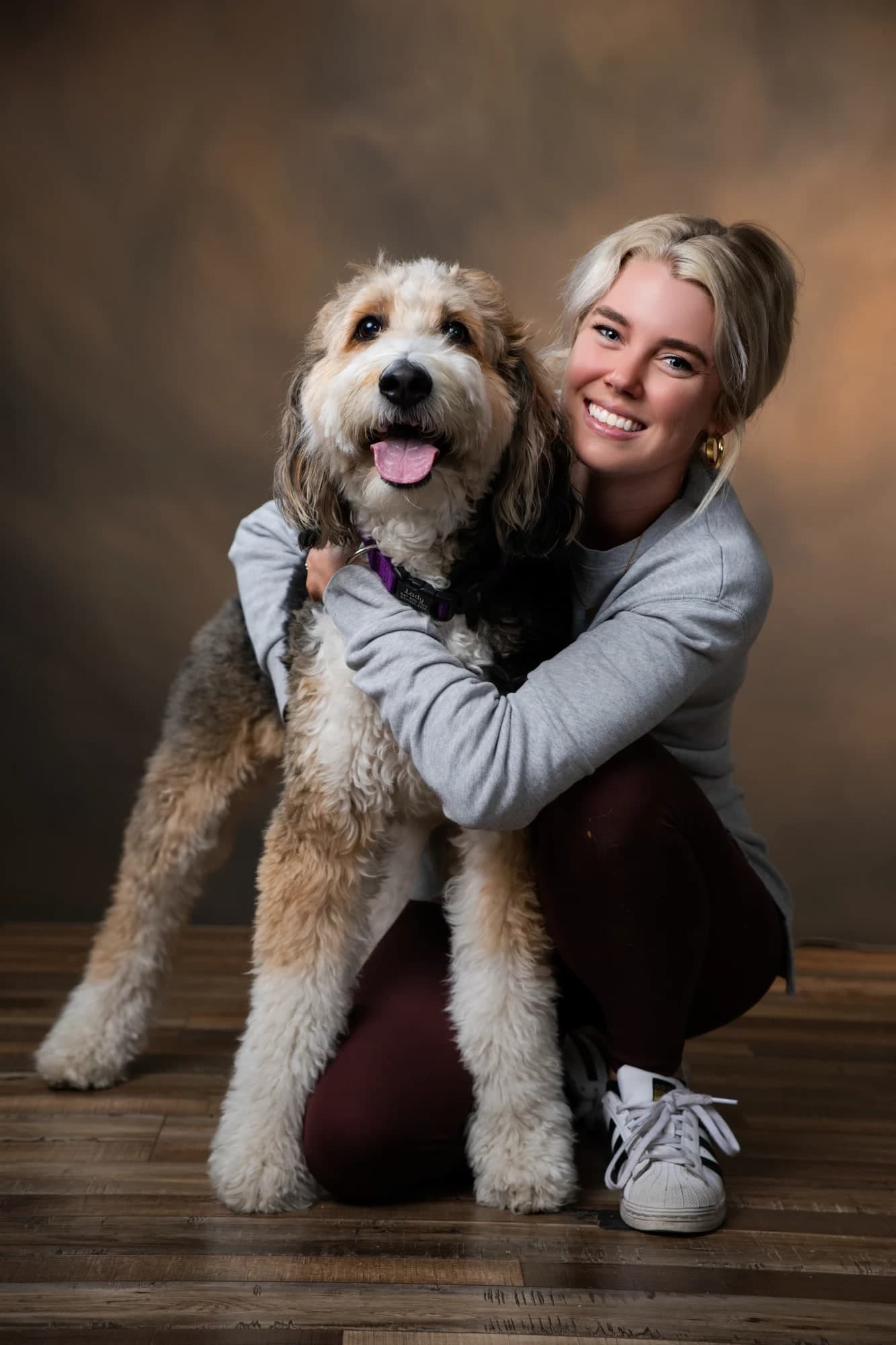
Begin with the dog you know
A studio portrait starts with personality. Tell us what your dog enjoys, what makes them cautious, and how they feel about new rooms and unfamiliar people. You do not need a dog who already knows how to pose. Knowing what holds their attention gives us a better starting point than expecting them to behave differently for the camera.
Share handling needs, sensitivities, and whether other pets or people will join the portrait. If there is something you would prefer us to avoid, mention it before the session so we can discuss the plan together.
The week before your visit
Keep preparation familiar. If grooming is part of your dog’s usual routine, think about arranging it with enough time for them to settle afterward. Avoid trying unfamiliar products or a demanding new routine just for a photograph. Discuss any grooming or health questions with the professional who knows your pet.
Check the lead, harness, or carrier you plan to bring. Pack items you already use comfortably, and tell the studio about anything that affects lifting, standing, or sitting. Older dogs and puppies may have different needs, and those details belong in the planning conversation.
The day of the portrait
Keep your pet’s normal food, water, exercise, and medication routines unless your veterinarian has advised otherwise. A portrait appointment is not a reason to skip meals or push an animal through unusual exercise. Plan travel and arrival so you have time to get settled.
Tell us if your dog is feeling different on the day. Comfort comes before a particular pose. The useful information is specific: they are wary of a sound, they prefer staying beside you, or they settle more easily after a quiet moment.
Bring familiar favorites
Bring the usual lead or carrier, a favorite toy, and suitable treats if your dog can have them. Mention food sensitivities and handling preferences before we use anything. A familiar sound or object can help us connect with the expression you recognize at home.
If people will be in the portrait, choose comfortable clothing that works together. A connected palette can keep attention on the relationship with your dog. You do not need to match their coat or dress everyone around a theme.
Picture the portrait in your life
Think about whether you want your dog alone, together with their people, or in several groupings. Bring a photograph of a wall if you imagine artwork there. A small print for a personal corner, a wall portrait, or a collection can each keep that familiar personality close.
Explore pet portraits and preparation, then contact your preferred McKinney or Valencia studio to begin the conversation. Your studio will discuss availability and the details of reserving your visit.